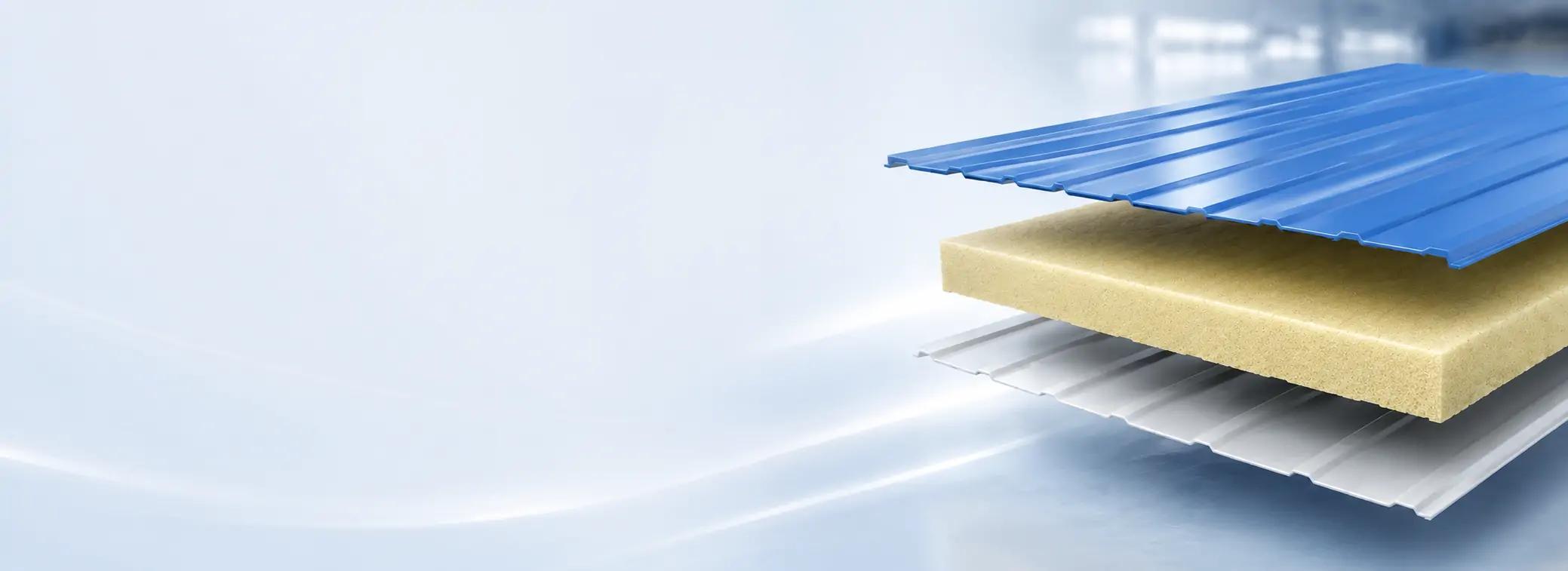
What back coat is built for
Back coat is built for reverse-side coating systems that require backside protection, forming flexibility, foam bonding discussion, and stable backside performance in complete coil coating structures.
Benefits
Reverse-side protection
Provides practical protection for the non-exposed side of prepainted metal panels.
Built for forming
Helps the back coat layer maintain integrity during bending, forming, and fabrication.
Foam bonding discussion
Supports technical discussion for PU/PIR foam, rockwool, and sandwich panel systems.
System compatibility
Works with primer, topcoat, substrate treatment, and curing process for balanced coating performance.
Typical applications
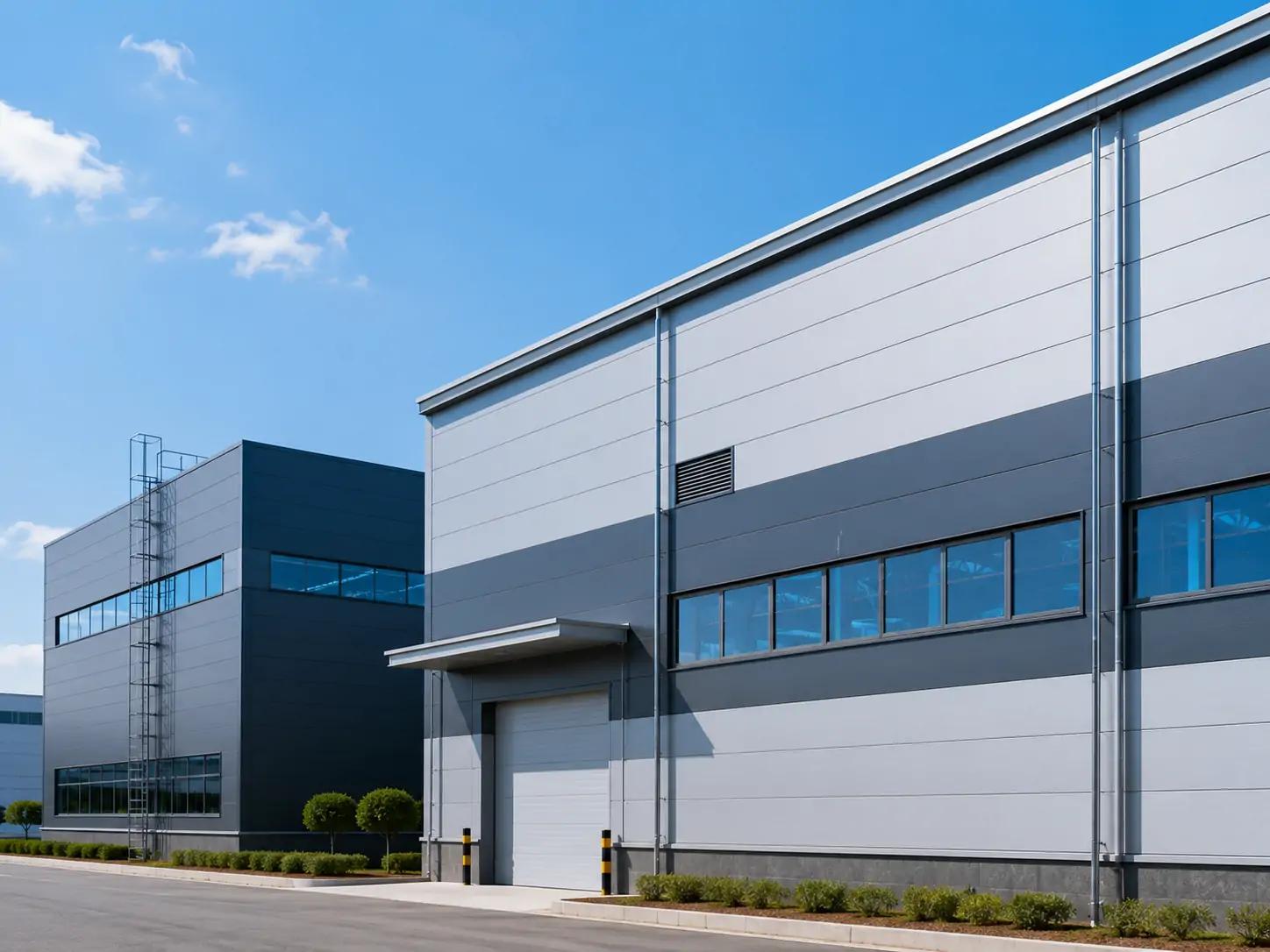
Construction panels
Used on the reverse side of roofing sheets, wall panels, and other prepainted building materials requiring stable backside protection.
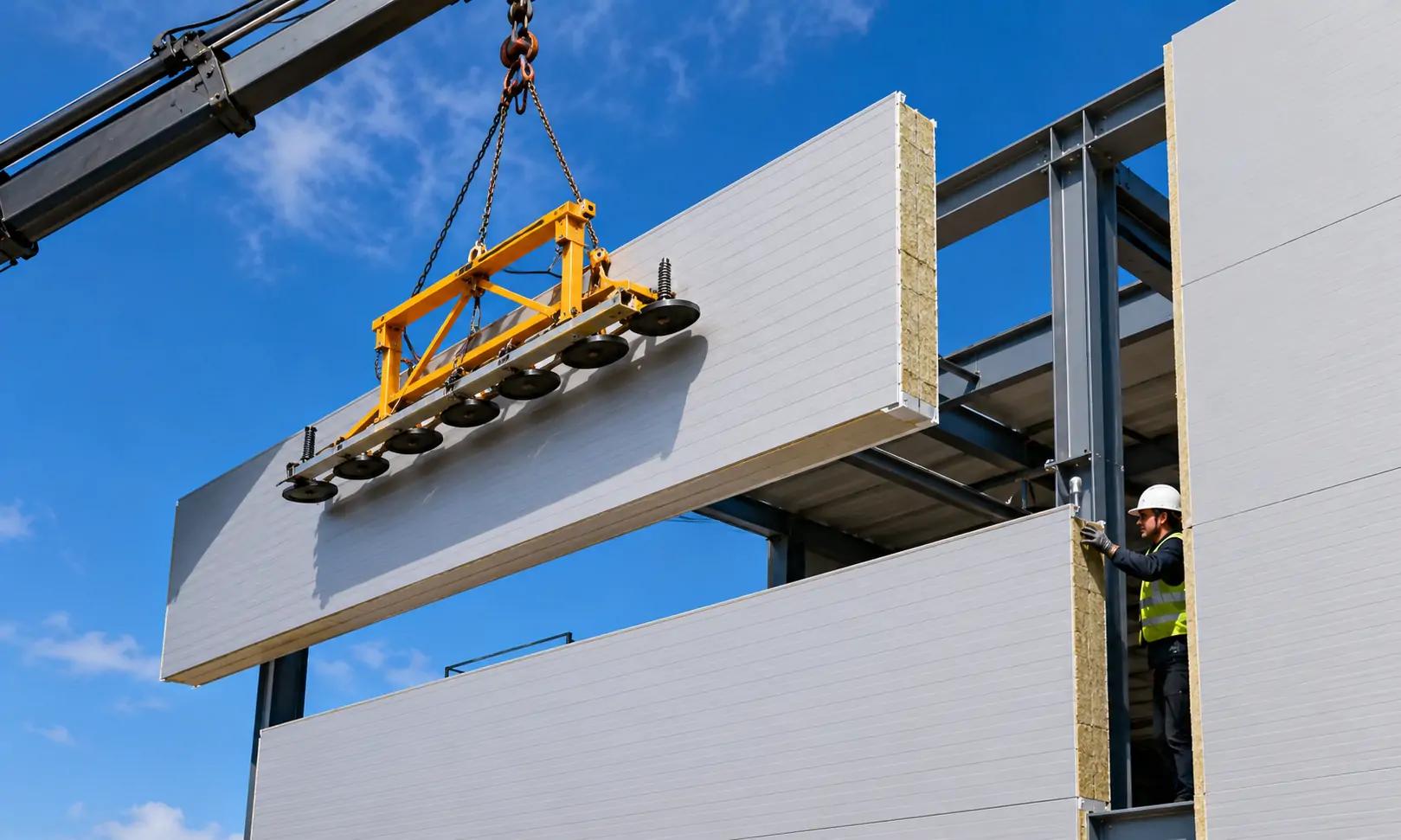
Sandwich panel systems
Suitable for sandwich panel applications requiring reverse-side protection, forming flexibility, and foam bonding discussion.
- PU/PIR foam panels
- Rockwool panel systems
- Cold storage panels
- Warehouse panels
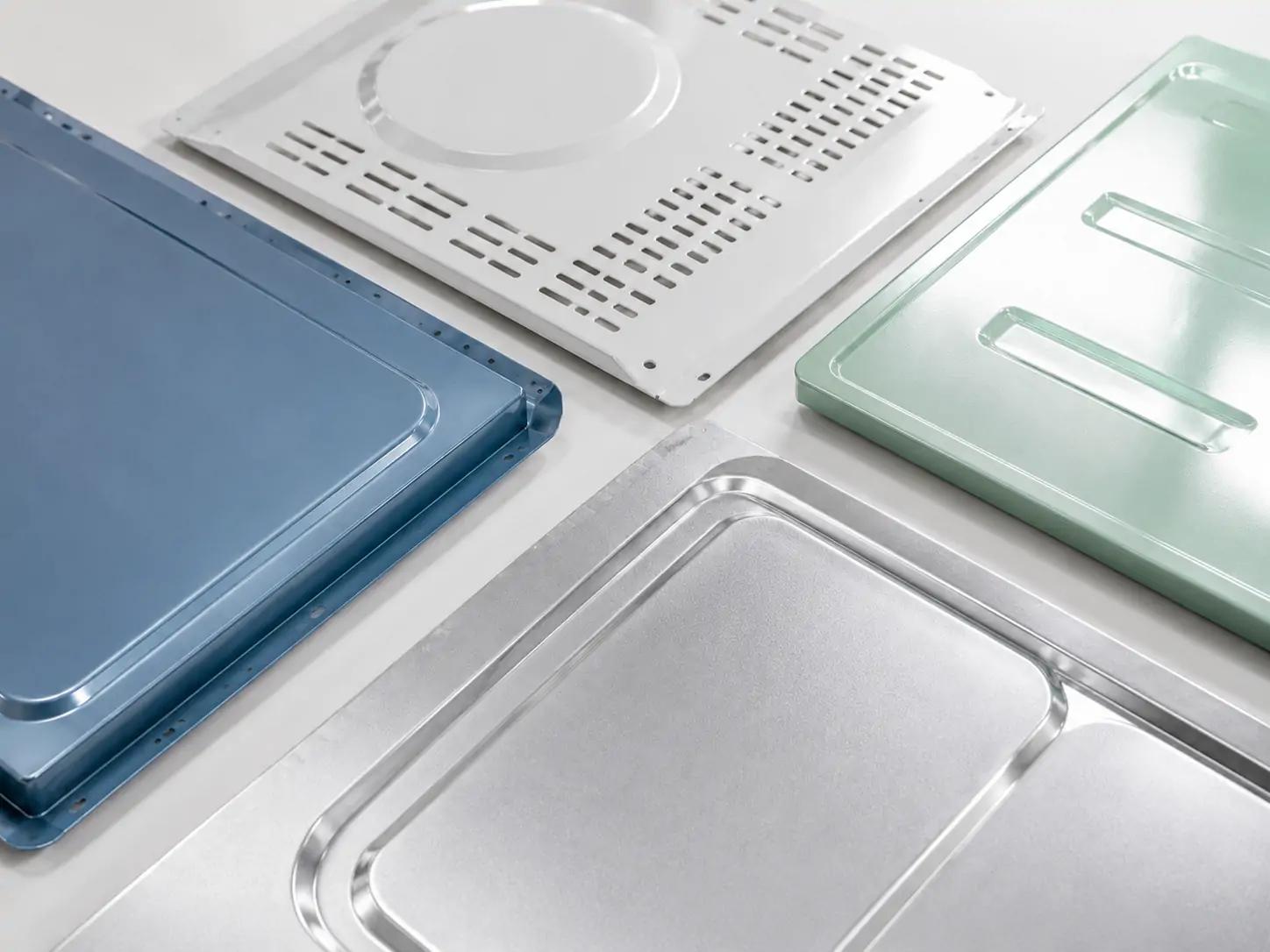
Appliance metal panels
Provides practical backside protection for selected appliance metal panel coating systems.
Technical highlights
Backside protection
Provides practical protection for the reverse side of coated metal panels.
Foam bonding discussion
Supports technical discussion for PU/PIR foam, rockwool, and sandwich panel systems.
Flexibility
Helps the coating layer tolerate bending and fabrication without losing integrity.
Backside scratch resistance
Helps reduce backside surface damage during rewinding, transportation, and fabrication.
Compatibility
Works with matching primer, topcoat, substrate treatment, and curing process.
Processing stability
Supports stable application and backside coating control on the coil line.
Product Reference & Technical Support
Back Coat Product
Reverse-side coating path
Generic back coat path for coil coating systems requiring backside protection, forming flexibility, foam bonding discussion, and stable backside performance.
Key Performance Reference —HG/T 3830-2022ShowHide
View key primer coating evaluation items based on HG/T 3830-2022 before requesting product documents.
Back coat evaluation usually focuses on backside protection, adhesion, flexibility, solvent rub resistance, reverse impact, T-bend performance, curing stability, and foam bonding discussion for sandwich panel systems.
| Item | Industry reference | Test method |
|---|---|---|
| Non-volatile content | ≥55% | GB/T 1725-2007 |
| Fineness | ≤20 μm | GB/T 1724-2019 |
| Pencil hardness | ≥2H | GB/T 6739 |
| Solvent rub resistance MEK times | ≥50 | GB/T 23989-2009 |
| Reverse impact, kg·cm | ≥60 | GB/T 20624.2-2006 |
| T-bend | ≤4T | GB/T 30791-2014 |
The above values are general industry reference indicators for back coat systems. Actual performance, test results, and foam bonding references should be confirmed through product documents, TDS, internal test summaries, or project-based technical discussion.
Technical Documents Available Upon RequestShowHide
Request product sheets, TDS, SDS/MSDS, COA, internal test summaries, foam bonding reference, or laboratory sample discussion.
| Document | Availability |
|---|---|
| Product Sheet | Request / controlled sharing |
| TDS | Request only |
| SDS / MSDS | Request only |
| COA | Available by batch |
| Internal Test Summary | Upon request |
| Foam Bonding Reference | Technical discussion |
| Laboratory Sample | Small sample for initial evaluation |
Need support evaluating back coat? Share your substrate, pretreatment condition, coating system, application, sandwich panel requirement, curing condition, and target performance with our technical team. Laboratory samples may be provided for initial evaluation.
Product Information & Technical Support
Back Coat System
Reverse-Side Coating Path
Designed for backside protection, forming flexibility, foam-panel compatibility, and stable reverse-side performance. Suitable for sandwich panels, roofing systems, and general prepainted metal applications.