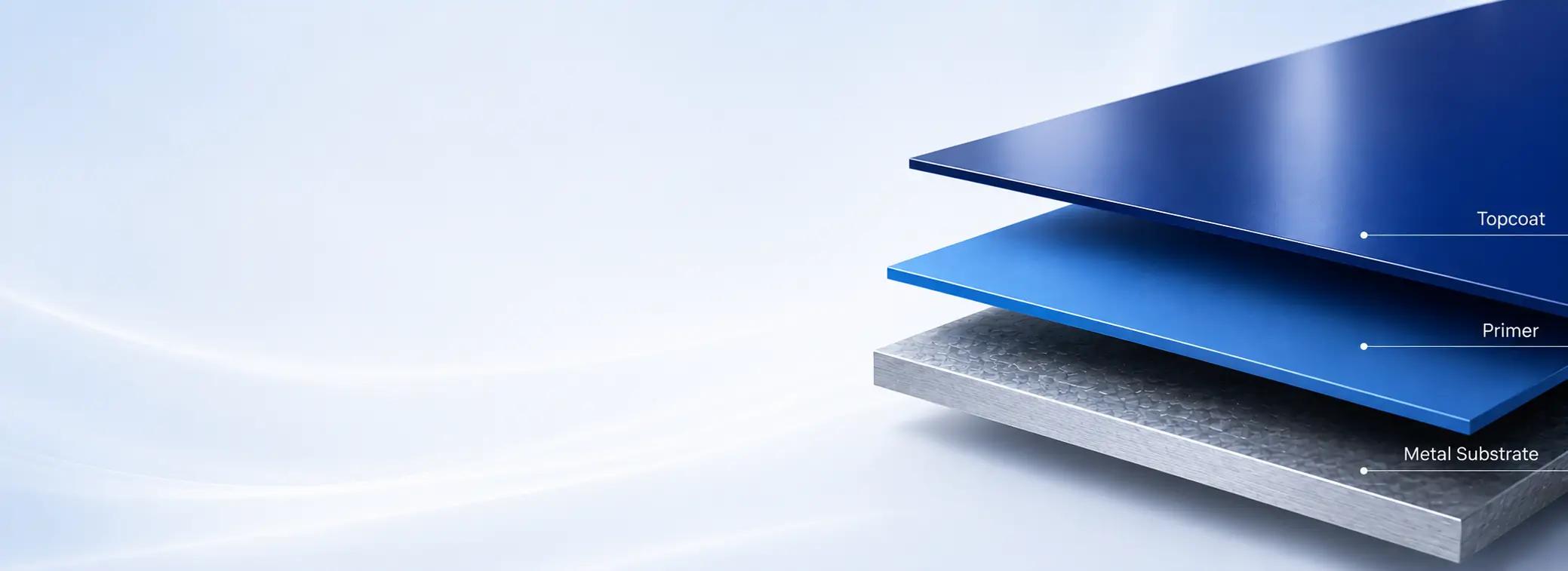
What primer coating is built for
Primer coating is built for systems that require strong bonding to metal substrates, practical corrosion support, and stable performance between the metal surface and upper coating layers.
Benefits
Substrate adhesion
Supports bonding to metal substrates under suitable pretreatment conditions.
Corrosion support
Helps improve base-layer protection in practical service conditions.
Topcoat compatibility
Works with matching PE or HDP topcoat systems for stable coating performance.
Stable application
Supports smooth application, curing response, and coil line consistency.
Typical applications
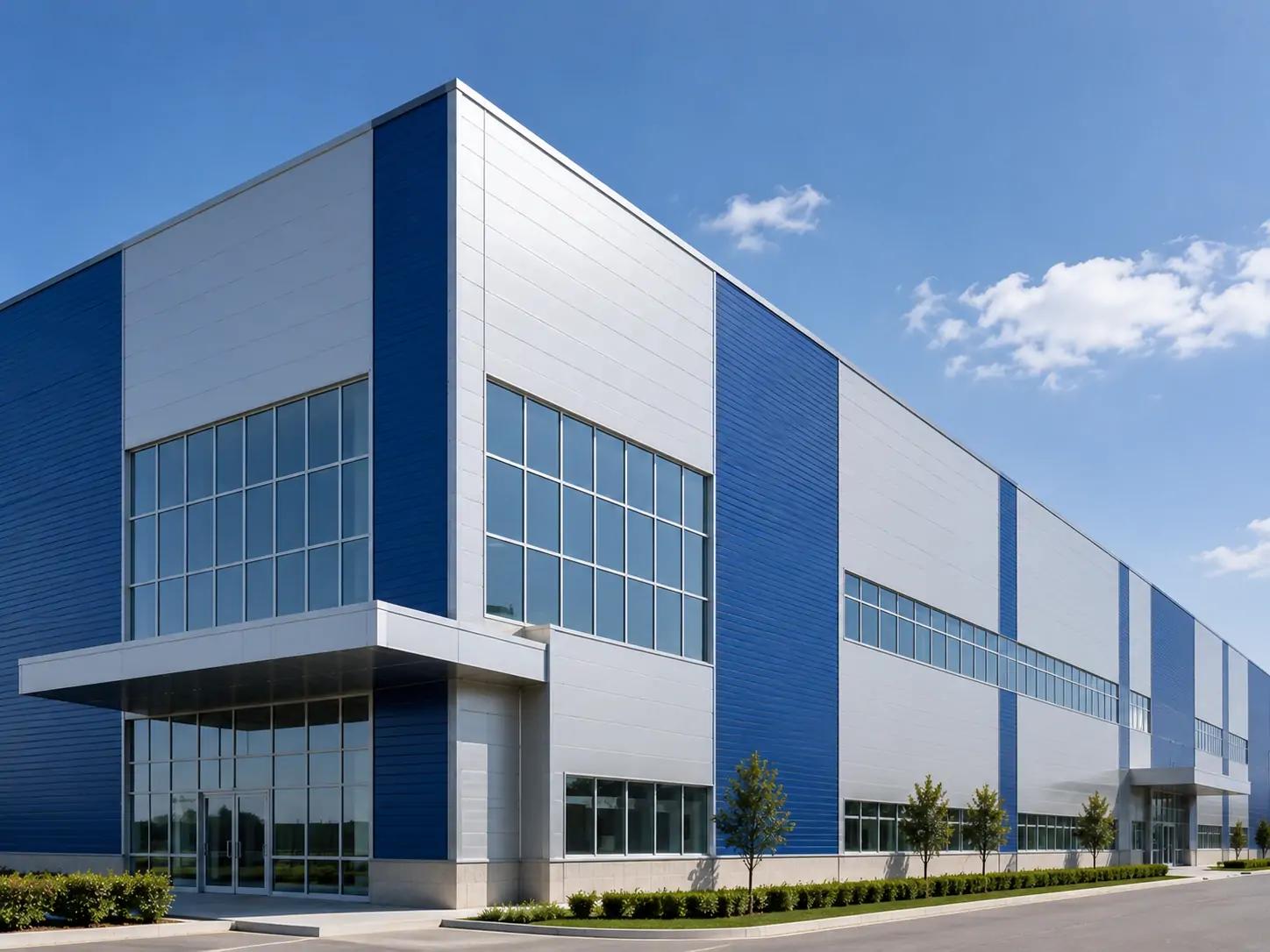
Construction panels
Used in roofing sheets, wall panels, and other prepainted building materials requiring stable base-layer adhesion and protection.
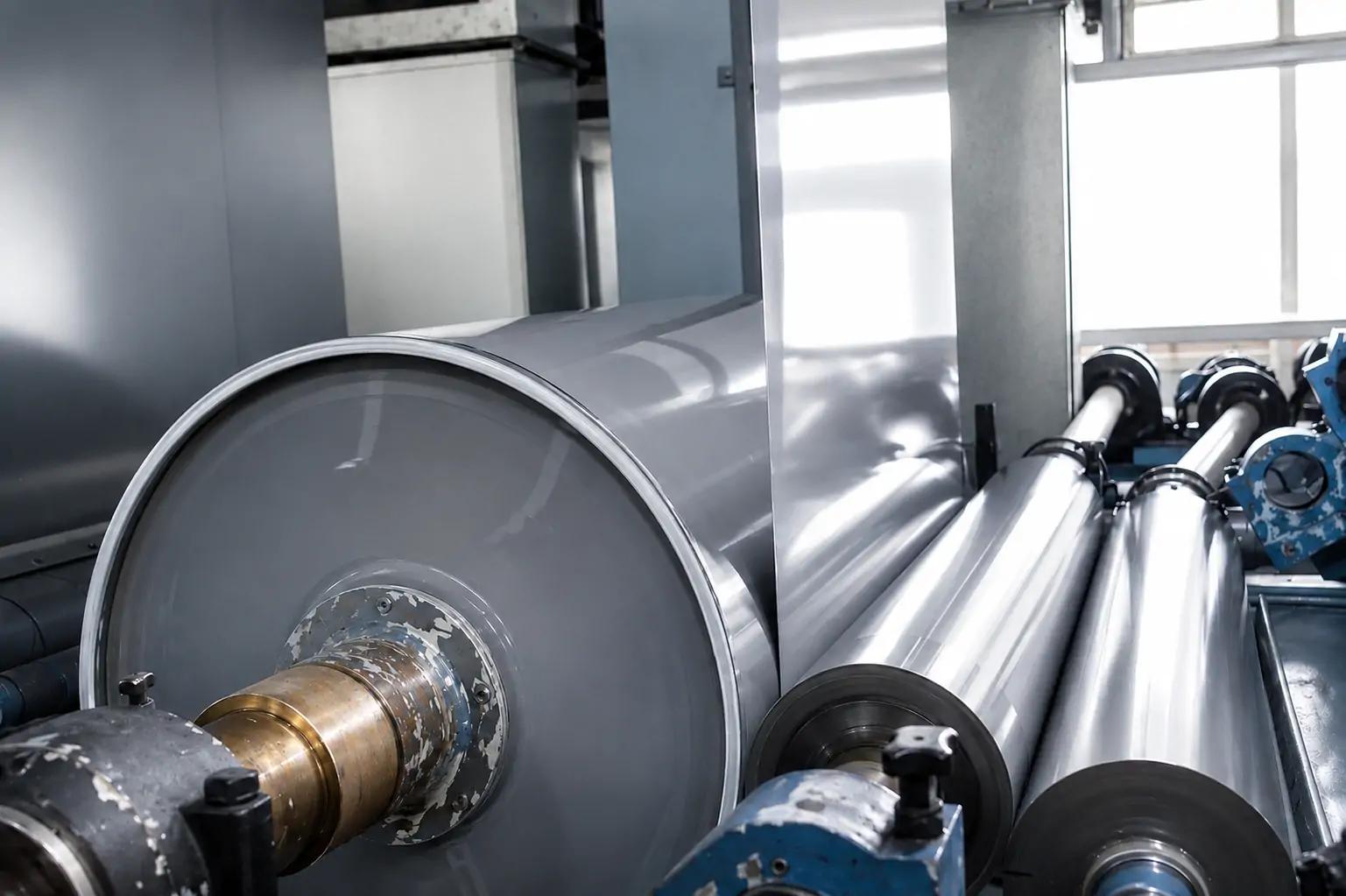
General coil coating systems
Applied in primer systems where substrate bonding, corrosion support, and system compatibility are essential to final coating performance.
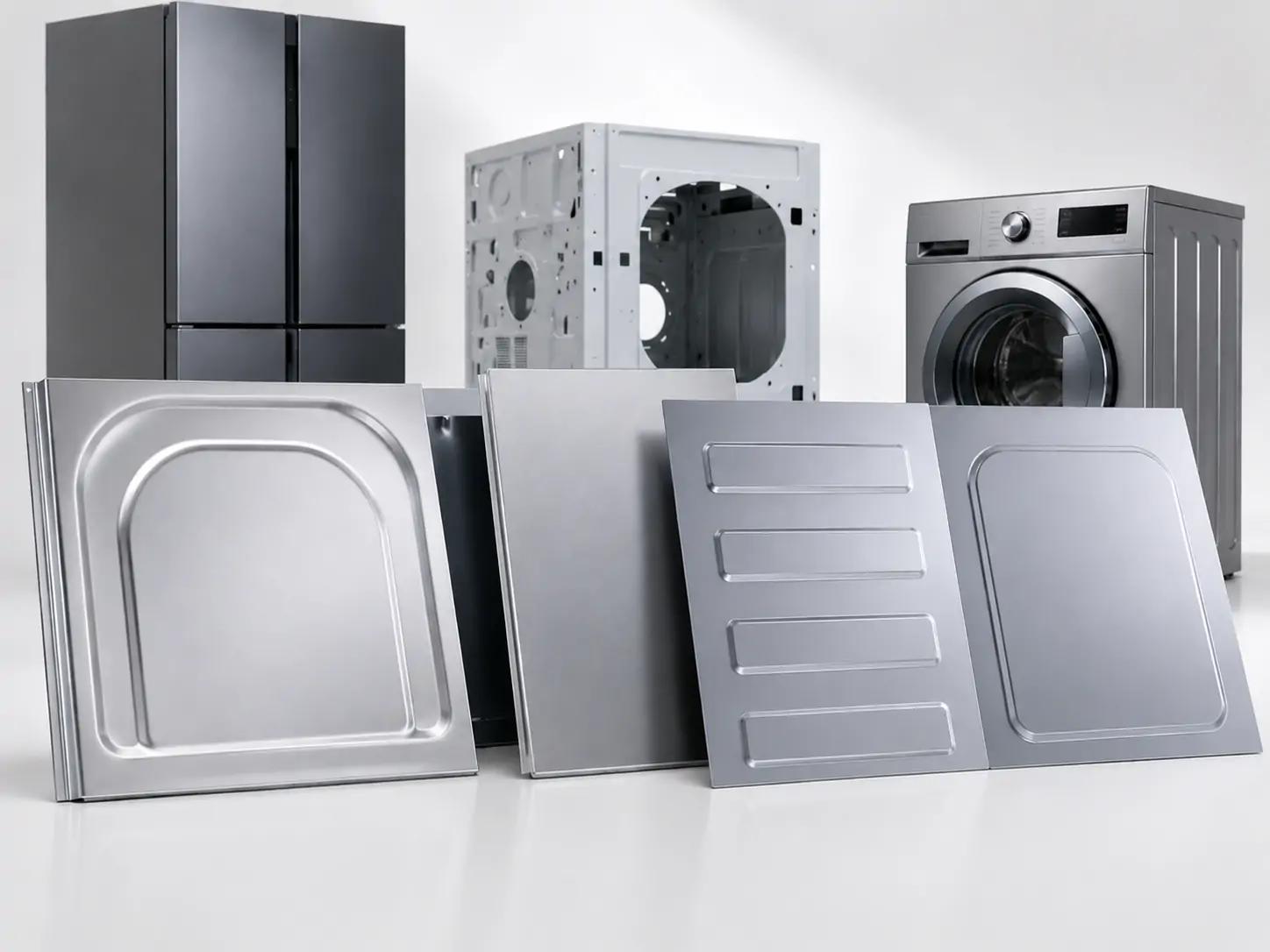
Home appliance panels
Suitable for appliance coating systems requiring adhesion, forming stability, and consistent primer support.
Technical highlights
Substrate adhesion
Supports bonding to GI, GL, CR steel, aluminum, and other suitable substrates under proper pretreatment conditions.
Corrosion support
Provides practical corrosion support for the base layer in humid, salt spray, industrial atmosphere, or outdoor exposure conditions.
Topcoat compatibility
Works with matching PE and HDP topcoat systems for stable full-system performance.
Forming support
Helps the primer layer maintain integrity during bending, forming, and fabrication.
Processing stability
Supports smooth application, curing response, and stable coil line use.
Document-supported evaluation
Product documents and internal references can support early evaluation before sampling or production discussion.
Product Reference & Technical Support
Primer Coating Product
Base-layer coating path
Generic primer coating path for coil coating systems requiring substrate bonding, corrosion support, forming performance, and compatibility with topcoat systems.
Key Performance Reference— HG/T 3830-2022ShowHide
View key primer coating evaluation items based on HG/T 3830-2022 before requesting product documents.
Primer coating evaluation usually focuses on base-layer adhesion, corrosion support, coating appearance, forming performance, curing condition, and compatibility with the topcoat system.
| Item | Industry reference | Test method |
|---|---|---|
| Non-volatile content | ≥45% | GB/T 1725-2007 |
| Fineness | ≤30 μm | GB/T 1724-2019 |
| Pencil hardness | ≥2H | GB/T 6739 |
| T-bend | ≤4T | GB/T 30791-2014 |
| Cupping test | ≥4.0 mm | GB/T 9753-2007 |
The above values are general industry reference indicators for primer coating systems. Actual performance may vary depending on formulation, substrate, pretreatment, film thickness, curing condition, coating system, and testing method. Final values should be confirmed through product documents, TDS, internal test summaries, or project-based technical discussion.
Technical Documents Available Upon RequestShowHide
Request product sheets, TDS, SDS/MSDS, COA, internal test summaries, or laboratory sample discussion.
| Document | Availability |
|---|---|
| Product Sheet | Request / controlled sharing |
| TDS | Request only |
| SDS / MSDS | Request only |
| COA | Available by batch |
| Internal Test Summary | Upon request |
| Laboratory Sample | Small sample for initial evaluation |
Need support evaluating primer coating? Share your substrate, pretreatment condition, coating system, application environment, curing condition, and target performance with our technical team. Laboratory samples may be provided for initial evaluation.
Product Information & Technical Support
Primer Coating System
Base-Layer Coating Path
Designed for substrate adhesion, corrosion protection, and intercoat compatibility in coil coating systems. Suitable for galvanized steel, galvalume steel, aluminum, and other pretreated metal substrates.