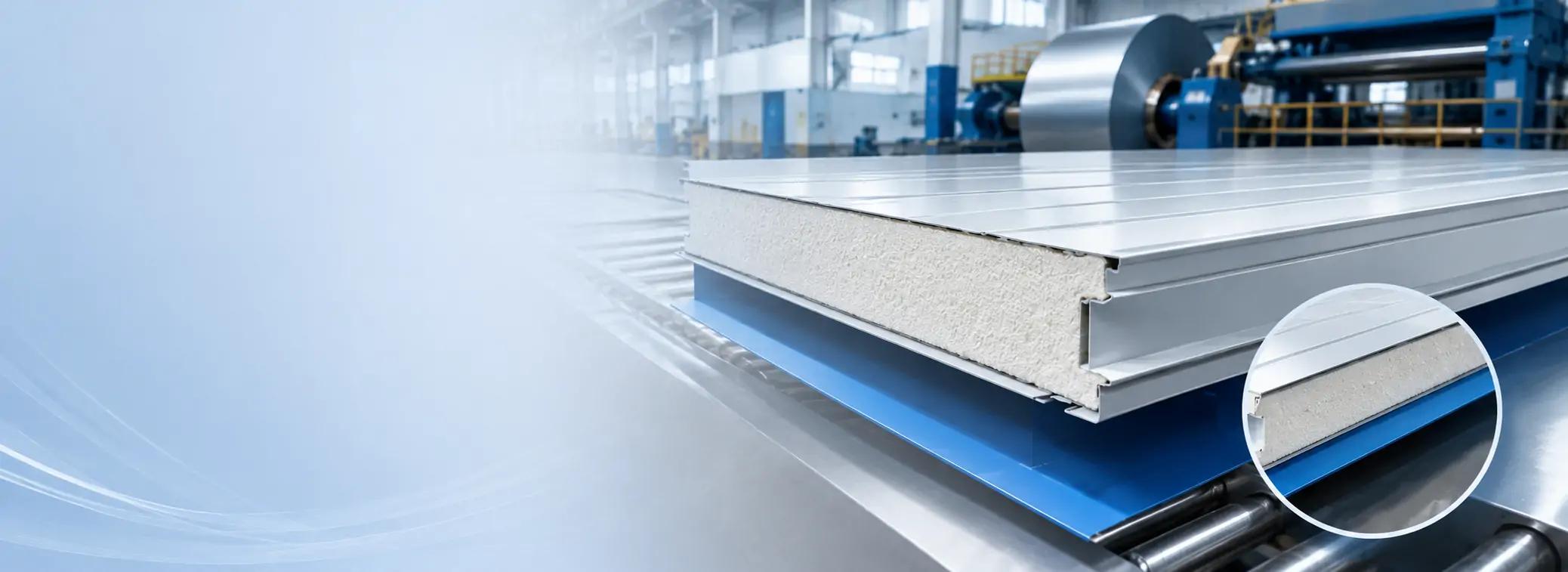
What back coat resin is built for
Back coat resin is built for reverse-side coating systems that require backside adhesion, forming flexibility, foam bonding support, and practical coating stability.
Benefits
Reverse-side adhesion
Helps maintain stable bonding on the non-exposed side of prepainted metal.
Built for forming
Supports bending, forming, and fabrication without losing backside coating integrity.
Foam adhesion support
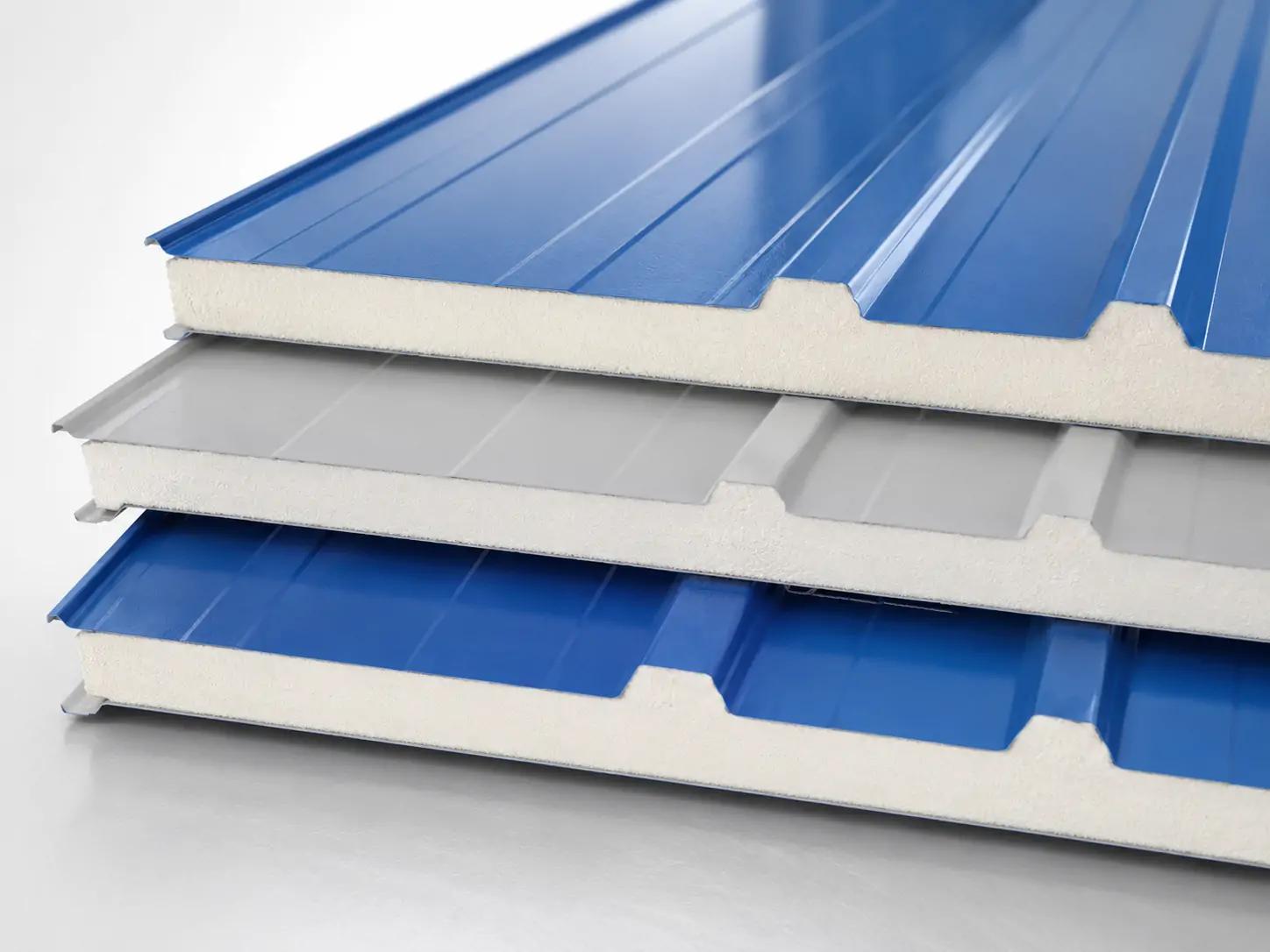
Supports bonding with PU/PIR foam and rockwool in sandwich panel systems.
System compatibility
Works with substrate treatment, primer structure, topcoat, and curing process for balanced performance.
Typical applications
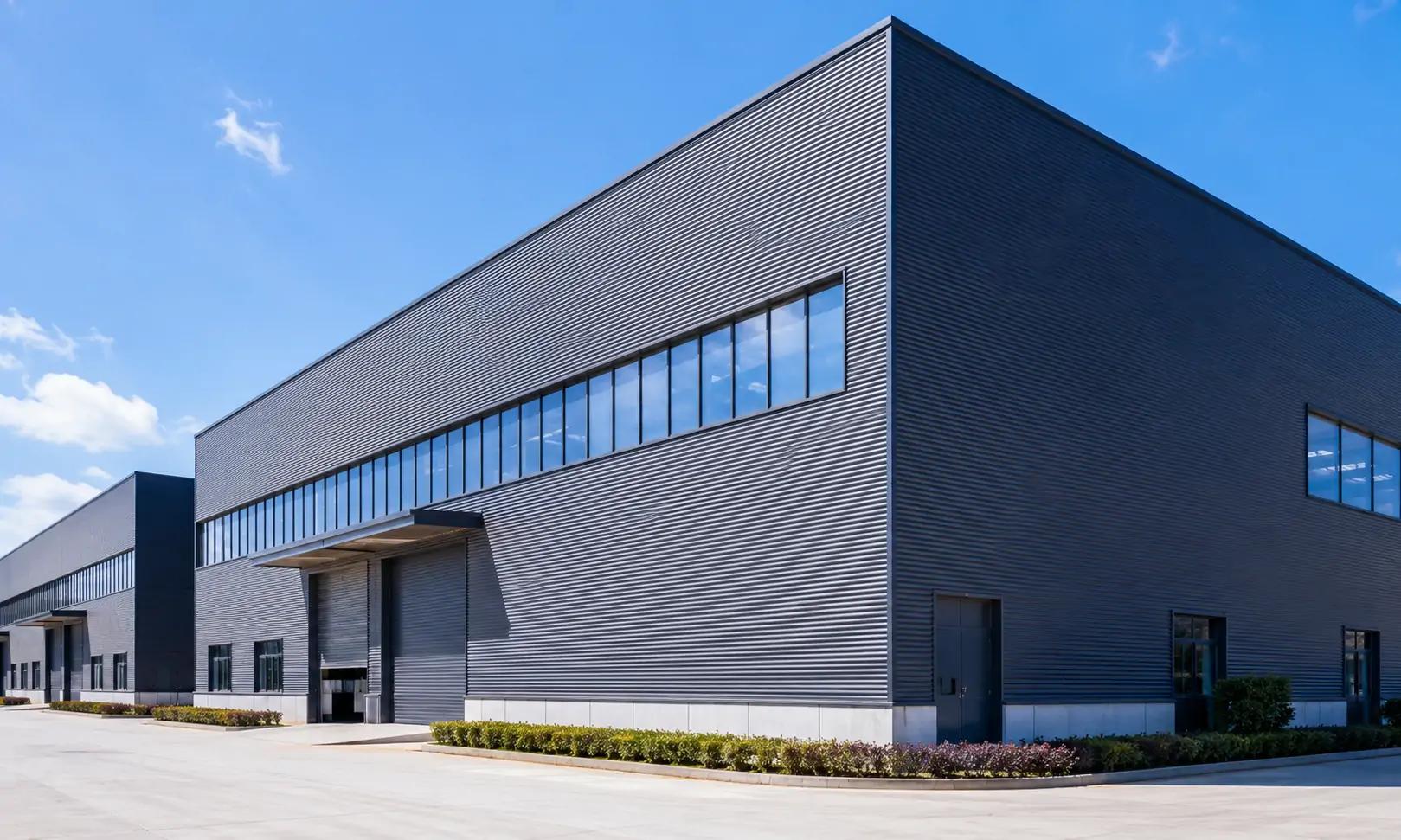
Construction panels
Used on the reverse side of roofing sheets, wall panels, and other prepainted building materials for stable backside performance.
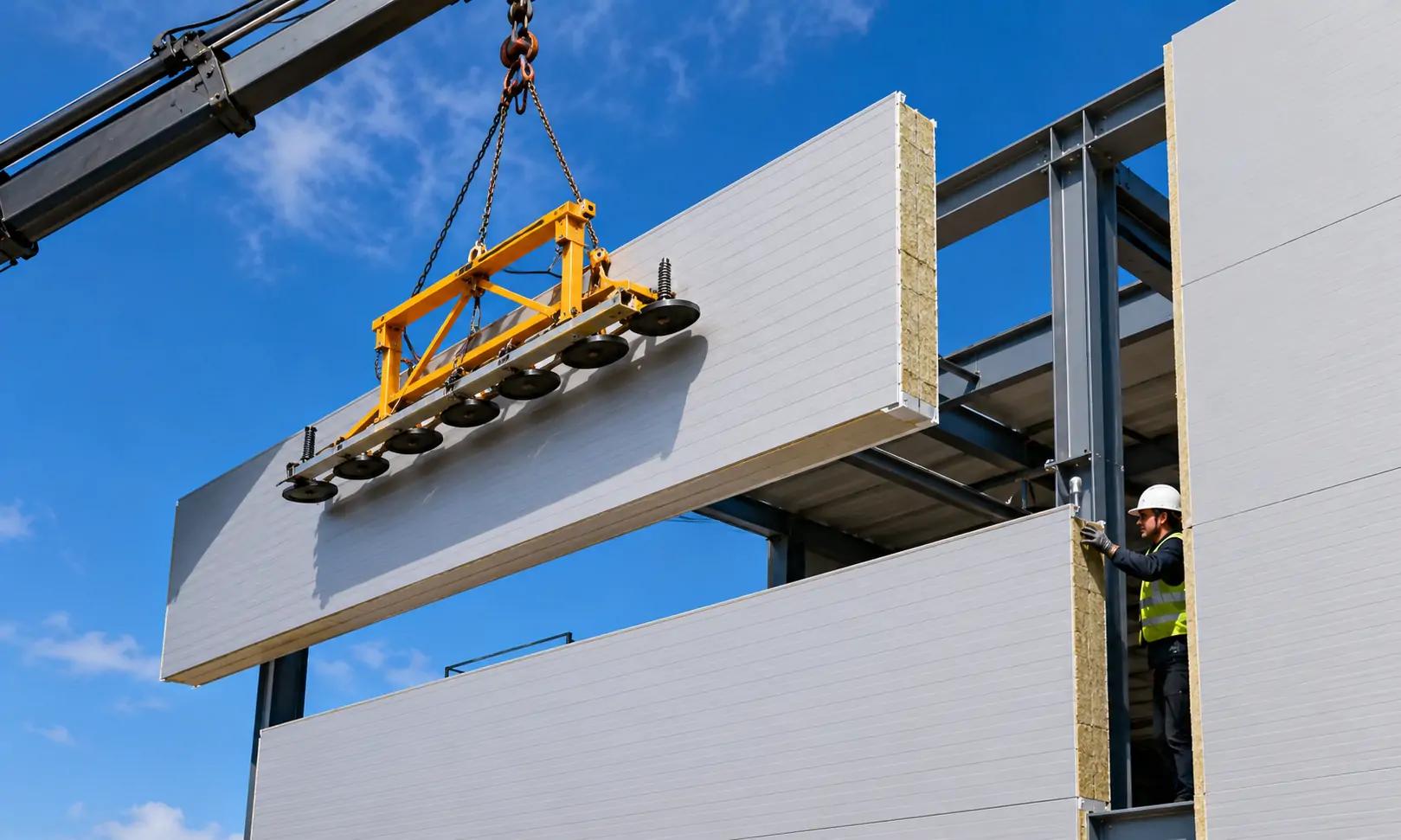
Sandwich panel systems
Suitable for insulated sandwich panels requiring reverse-side adhesion, foam bonding, and stable backside support.
- PU/PIR foam panels
- Rockwool panel systems
- Cold storage panels
- Warehouse panels
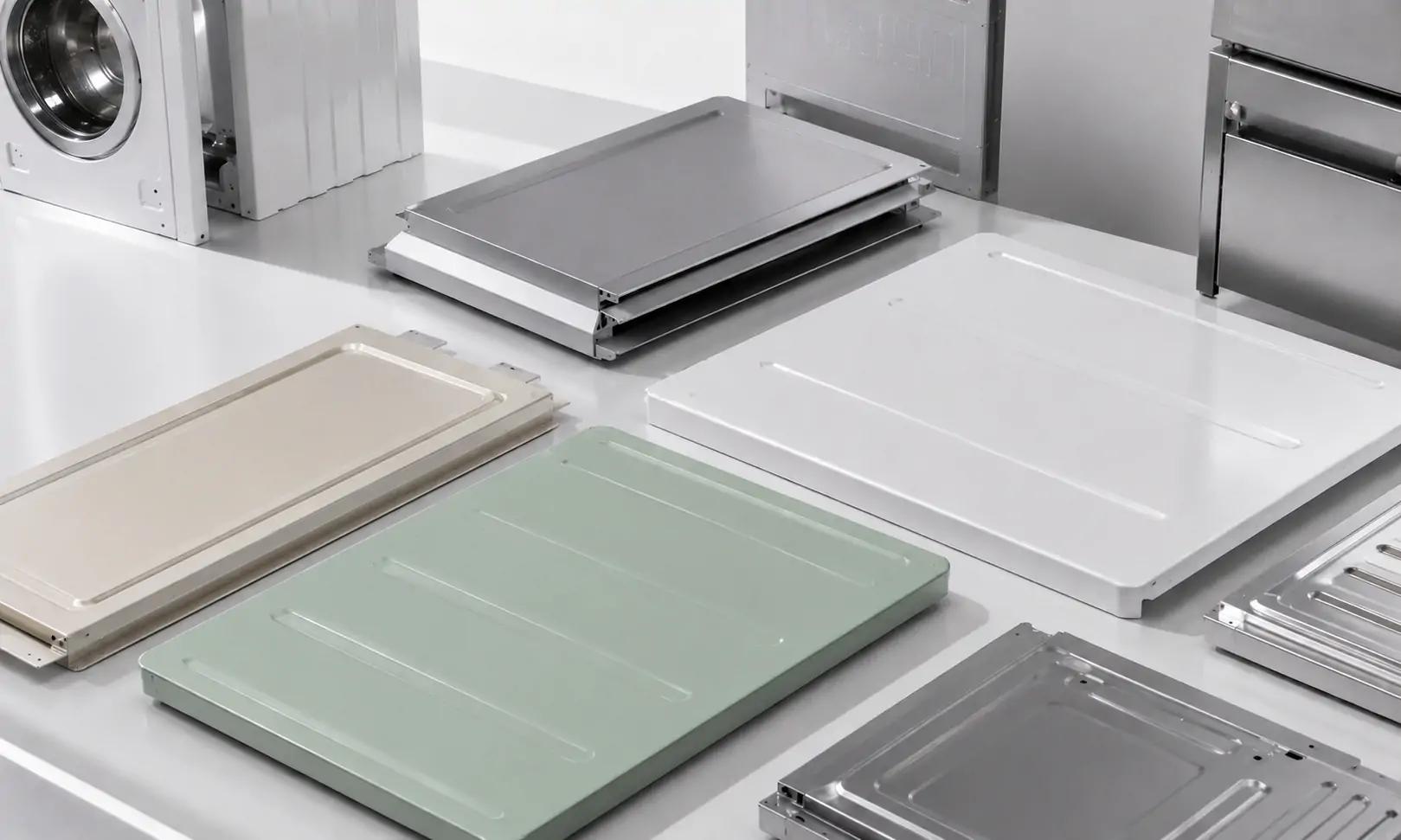
Appliance metal panels
Provides reliable reverse-side protection for selected appliance metal panel applications.
How to select back coat resin
Choose back coat resin based on:
- Reverse-side coating role in the full system
- Required backside adhesion and forming flexibility
- Foam bonding requirement for sandwich panel systems
- Substrate type and pretreatment condition
- Compatibility with primer, topcoat, and curing process
- Processing, rewinding, and transportation requirements
For standard backside systems, focus on adhesion, flexibility, and stable application. For sandwich panel or demanding backside systems, evaluate foam bonding, forming performance, backside scratch resistance, and full system compatibility.
- Reverse-side adhesion
- Foam bonding
- T-bend flexibility
- Backside scratch resistance
- System compatibility
Technical highlights
Adhesion
Supports reliable backside bonding to help maintain coating stability during processing and end use.
Foam adhesion
Supports bonding with PU/PIR foam and rockwool for sandwich panel applications.
Flexibility
Supports forming requirements for reverse-side coating systems.
Backside scratch resistance
Helps reduce backside surface damage during rewinding, transportation, and fabrication.
Compatibility
Works with substrate treatment, primer structure, topcoat, and curing process for balanced performance.
Processing
Supports stable coil line application, practical curing response, and consistent backside coating control.
Product Information & Technical Support
Back Coat Resin System
Reverse-Side Resin Path
Designed for backside flexibility, forming performance, and stable adhesion to foam-core sandwich panel structures. Suitable for roofing panels, wall panels, and sandwich panel applications.